
Green Ideas for Spring 2021
Spring is a great time to start anew. The weather is getting warmer and there is a sense of renewal with plants starting to grow and the birds chirping. It is also the perfect time to look at your habits and see what adjustments you want to make to be more environmentally friendly. We have put together a list of some of our favorite green habits to adapt this spring and will be beneficial year-round!
Green Tips
Add One New Sustainable Habit:
Instead of overwhelming yourself with a dozen new ways to be more eco-friendly this year, pick one new habit that will fit into your lifestyle. It could be recycling shampoo bottles, planting a garden, walking or biking instead of driving, or a number of other great ways to live a more sustainable life. All the small changes that you make can add up to a big reduction in your carbon footprint.
Declutter:
Spring is a great time to take inventory of your belongings and decide what you want to keep, donate, and recycle. Try to only keep things you actually use or items that have sentimental value. For items that are in good condition but you no longer use, you can donate to friends, family, or a non-profit organization. Also, many items you have around your house can be recycled. Just be sure to drop them in the right recycling bins or bring them to a recycling center. Decluttering your home is an excellent way to find items to donate and recycle.
Clean Cleaning Products:
Cleaning products that are not labeled as natural or have not been certified by a third party as “Green” can contain toxic chemicals. Look for all-natural cleaners the next time you need to stock up. It is a great way to keep toxic chemicals out of your home and invest in biodegradable cleaners. Check out the labels of the cleaners in your local store the next time you run low for more environmentally friendly options.
Vinegar for Cleaning:
Instead of buying multi-purpose cleaners in the store, give a vinegar solution a try. It is cheaper and better for the environment. You can use it with newspaper to clean your windows and mirrors, use it in the dishwasher, and even mix it with water to clean your floors. Try vinegar for cleaning before running out to the store and buying a multi-purpose cleaner.
Ditch Paper Towels:
Paper towels create a lot of waste since they are single use. Instead of using paper towels for your routine cleaning, invest in reusable cleaning towels. You can even cut up old towels or t-shirts to make cleaning rags to the size that you want. If you still want to keep some paper towels on hand, look for recycled ones and use them sparingly.
Use the Dishwasher:
It may come as a surprise that running your dishwasher when it is full conserves more water than washing dishes by hand. Not only is using your dishwasher a timesaver and more convenient, but it can also help you reduce water consumption. That is a win-win for you and the environment.
Full Loads of Laundry:
When doing laundry, try to only start up the washer when you have a full load. This will maximize the efficiency of it and the water used. Plus, if you wash your laundry in cold water you will also consume less energy. Maximize the energy efficiency of your washer by only running it when you have enough for a full load and wash with cold water.
Energy Upgrades:
There are several ways you can lower your energy usage in your home. You can start by switching out your incandescent light bulbs for CFLs or LEDS. Doing this will lower your energy consumption and reduce how often you need to replace your light bulbs. You can also install a smart thermostat in your home. Smart thermostats are programmable, and many of them allow you to change the temperature of your home from an app on your phone. It is a great way to keep your cooling and heating costs down by being able to monitor it from anywhere you are and programing it for when you want to increase and decrease the temperature of your home. Lastly, using shades on your windows can help with heating and cooling costs. In the winter you can keep them open to bring in the sunshine and, in the summer, close them to lessen the amount that the sun is heating your home. Small changes can make a big difference in your energy bills.
Use Commercial Car Washes:
Did you know that commercial car washes use less water to clean your car than you would at home? On average, people use 80-140 gallons of water at home to wash their car, when a commercial car wash uses an average of 45 gallons of water. Plus, commercial car washes often reuse the runoff and/or send it to treatment centers. While you may not want to always go to a commercial car wash, it is a good idea to add it into your car washing rotation.
Garden:
If you are looking for a way to make sure that your fruits, vegetables, and herbs are organic, you should consider planting a garden. It is a great way to get fresh produce, get outside, and literally enjoy the fruits of your labor. You can also plant flowers to brighten up your yard and have fresh arrangements to bring into your home. Another great gardening tip is to plant native plants to the area that you live, as they will require less maintenance. Start a garden, big or small, this year to enjoy fresh produce.
Compost:
Composting is a great way to get rid of table scraps, yard clippings, leaves, and more in an eco-friendly way. You can build a compost bin for your yard or purchase one. You can even purchase a sleek composter for your kitchen that you fill up before you bring it to the composting bin in your yard. Composting is a fantastic way to get enriched soil and reduce food waste in landfills.
Get Outside:
If you are able to, make it a goal to get outside more this year. Go for a walk, hike, bike, get out on the water, or find another activity that you enjoy in the great outdoors. The more you get outside and enjoy the natural beauty, the more you will appreciate it. Also, as the weather gets warmer, consider walking or biking to places that are a doable distance away. Just remember to turn off the lights when you leave home and unplug any small appliances that are not in use.
*Content originally found in articles published on Planet Aid, Earth911, Sustany, Campus Environmental Center, and The Good Trade.
What green habits are you planning to implement this spring? Did we miss any that you have found to be beneficial? We would love to hear what they are! Also, if you are looking to reduce your carbon footprint even more, consider going solar. It is good for the environment and your wallet. Reach out to us today to learn more!

What the 2026 Utility Rate Changes Mean for Homeowners As we move into 2026, homeowners are facing a major shift in how much it costs to power their homes. Utilities across the country are preparing for another round of significant rate increases — driven by aging infrastructure, higher demand, and rising energy costs. At the same time, the federal solar tax credit is set to step down, reducing the incentive homeowners have relied on for years. While this combination may sound discouraging at first, it actually underscores a larger truth: with utility rates climbing faster than ever, going solar still makes long-term financial sense. Rising Utility Rates in 2026 Many utility providers have already announced increases for 2026, and the trend is consistent nationwide. In fact, the New York Public Service Commission (NYPSC) has approved an increase of 30% increase for New York utilities to occur over the next 3 years. Electricity costs are going up, fixed monthly charges are increasing, and more utilities are shifting to time-of-use pricing models that penalize homeowners during late-afternoon and evening peaks. In some regions, residential demand charges — once reserved for commercial customers — are becoming more common. For the average homeowner, this translates to noticeably higher bills even if their usage stays the same. Some areas could see annual increases of 10–25% as these new structures take hold. The Solar Tax Credit Is Decreasing — But the Savings Aren’t 2026 is also the year the federal solar Investment Tax Credit steps down from the full 30% for many homeowners. This means installing solar will carry a slightly higher upfront out-of-pocket cost than in recent years. However, the long-term economics still strongly favor solar. While the tax credit reduces, electricity prices continue to rise every year — and those increases compound over time. The value of producing your own electricity becomes greater with each rate hike, often offsetting the reduced tax incentive within just a few years. In other words, the short-term increase in system cost is still outweighed by decades of escalating utility prices. Why Solar Still Makes Financial Sense Solar’s value has always come from its ability to provide clean, predictable, stable energy for decades — and that hasn’t changed. What has changed is how quickly grid-supplied electricity is becoming more expensive. By installing solar, homeowners reduce or eliminate their reliance on a system where prices are uncontrollable and consistently rising. Pairing solar with battery storage makes the financial case even stronger, allowing homeowners to bypass expensive peak rates and keep their homes powered when the grid is stressed or offline. Even with the incentive stepping down, the lifetime savings from solar in 2026 remain extremely strong. What Homeowners Should Take Away The combination of rising utility rates and a reduced tax credit might seem like a reason to wait, but it’s actually the opposite. The longer homeowners remain 100% dependent on the grid, the more expensive their energy costs become. Solar continues to offer protection from rate volatility, greater control over monthly expenses, and long-term savings that significantly outweigh the loss of part of the tax credit. 2026 is a reminder that the cost of utility power is only moving in one direction — and investing in your own energy system is one of the smartest ways to stay ahead. If you’d like a personalized look at what these changes mean for your home, our team can walk you through the numbers and build a plan tailored to your energy needs.
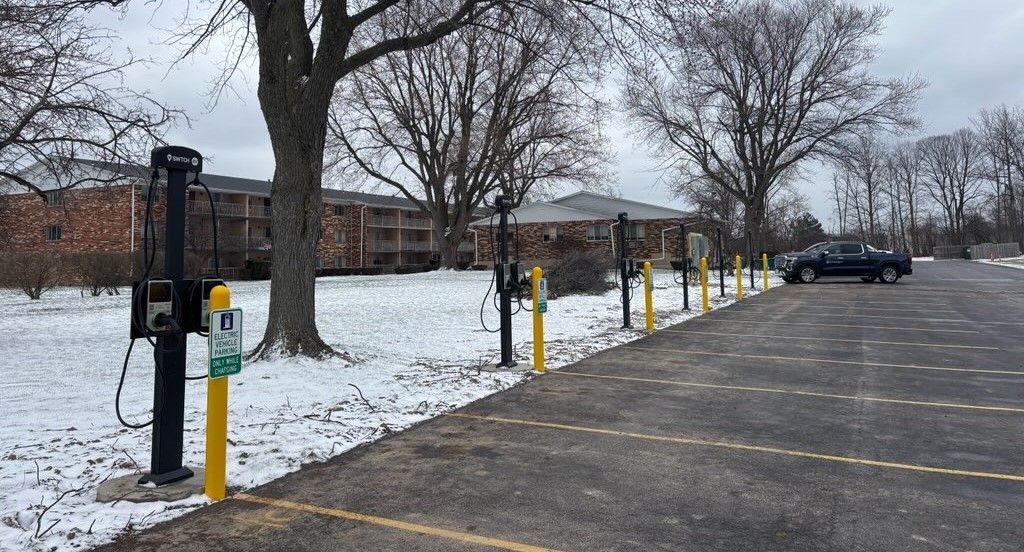
Why EV Battery Longevity Makes a Strong Case for Commercial Charging Stations in NY and VT
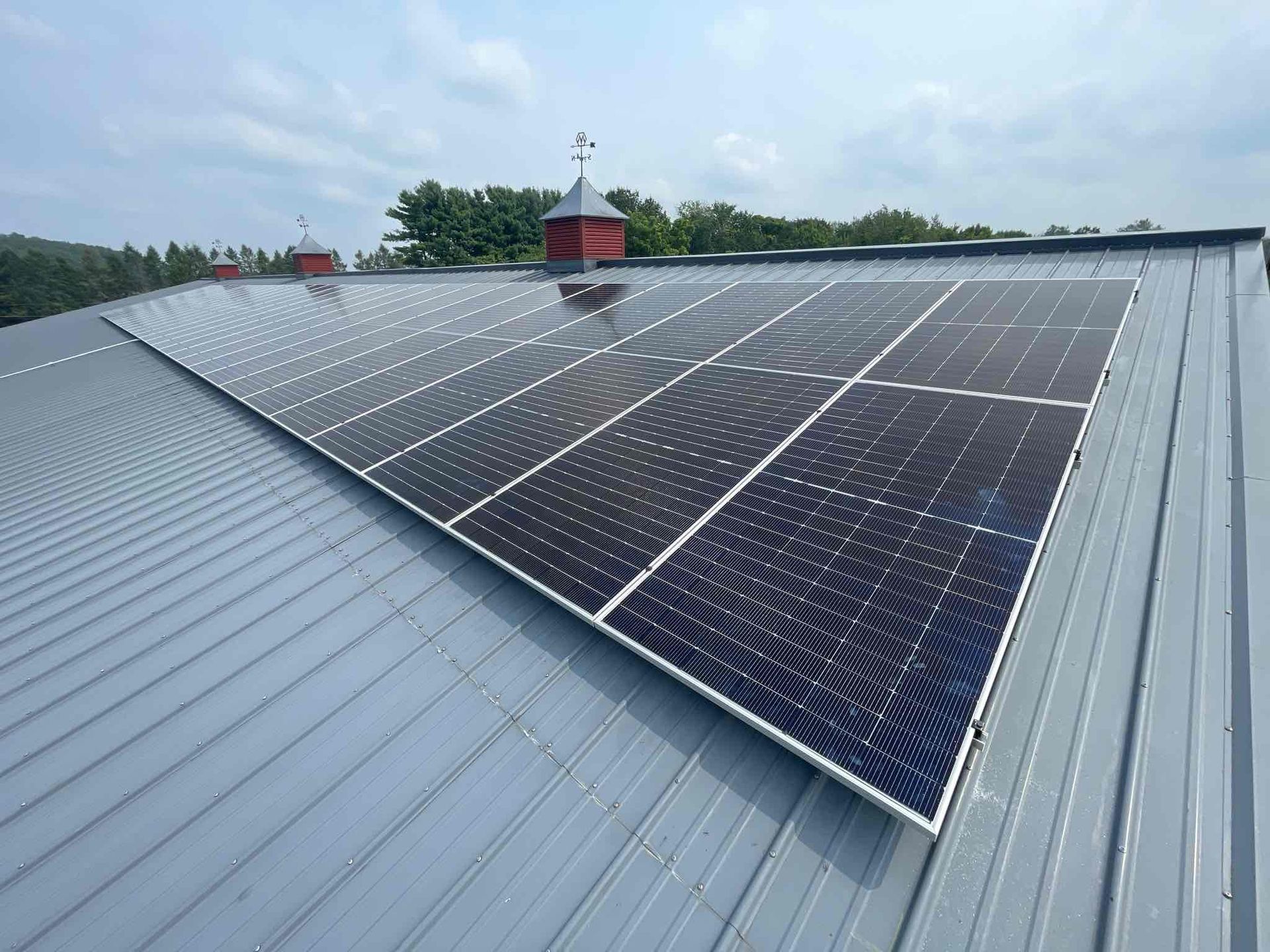
Energy Costs Keep Rising, and Predictability Matters