
Earth Day 2021
Earth Day 2021 is coming up on Thursday, April 22! The theme for Earth Day this year is: Restore Our Earth. This theme can have a different meaning to everyone, but speaks volumes as to how we need to be treating Mother Earth. There are plenty of ways we can all try to Restore Our Earth, this Earth Day, and all year long. We have put together a list of some ideas that are great for you and your entire family to try out this Earth Day and add to your repertiore year round.
Earth Day Ideas
Talk About the Environment & Get Others Involved:
Earth Day is a great time to talk about the environment with your friends, family, and kids. You can swap information about how to live a more environmentally friendly life and help inspire each other to do more to give back to Mother Earth. Earth Day is a fantastic time to have open and honest conversations about the environment and to build a community around green habits.
Read a “Green Book”:
There are a ton of books out there about the environment. From informational, to fun, and inspiring children’s books, find a book about the environment to read this Earth Day. You can pick a book on your own, or get your friends, family, and kids involved too. Then you can all discuss what you learned. It’s a fun activity that is also educational and inspiring.
Calculate your Carbon Footprint:
Knowing your carbon footprint is an excellent place to start when trying to understand your habits and how to adjust them to be more environmentally friendly. You can take inventory of your activities that are the biggest contributors to your carbon footprint and take steps to reduce them. Small changes can lead to a big reduction in your carbon footprint.
Save Energy:
You can make small changes in your home to save big on your energy bills. Turn off the lights when you leave a room, unplug small appliances that aren’t in use, weatherstrip your home, and switching out incandescent light bulbs for CFLs or LEDs are just a few changes that can help you save on your energy costs. Plus, reducing your energy consumption is good for the environment and your carbon footprint.
Buy Local:
Buying local not only benefits your local economy, but it also helps the environment. When you buy local, the carbon footprint of the products you are buying is reduced. Plus, if you are buying local produce or meat, it tends to be fresher and will last longer. Try to find ways to buy local more this year and help stimulate your local economy while helping Mother Earth.
Recycle:
This Earth Day, either try and find ways to up your recycling game or pledge to start recycling. Recycling is a great way to make sure more products do not just end up in a landfill and are given a second life . You can also use it as an opportunity to create a new recycling system in your home or at work. Additionally, get your friends and family involved to help hold each other accountable for your new recycling habits.
Online Billing:
Most companies offer online billing now. Instead of getting a bill in the mail you can have it emailed to you and pay it online. Moving to online billing is a fantastic way to reduce paper consumption and saves you money on stamps, since you won’t have to send a check in for payment.
Reduce Plastic:
Plastic is in many of the products we use and single use plastic is prevalent in our society. Try reducing plastic by using reusable containers to store your food, reusable water bottles, and travel mugs for your morning coffee. Also, remember to bring your reusable bags when shopping and try buying items in bulk. Also, look for products that are made of recycled plastic. Lastly, if you do use plastic products be sure to recycle them.
Eat Less Meat & More Plants:
Meat consumption is a big contributor to greenhouse gases. A great way to reduce your meat intake is to participate in Meatless Mondays. You do not have to be a vegetarian or vegan to help reduce meat consumption. Not eating meat one day a week can lead to big changes for the environment.
Gardening:
Gardening is a great way to get outside and grow your own vegetables, fruits, and herbs. You can also try plating plants that attract bees and butterflies to help their populations grow. Also, if you plant species that are native to your area, they require less water and maintenance to flourish. You can also plant some trees to help local insects and animals with their habitat. There are a lot of great ways that you can use a garden to nourish you, your family, and your local habitat.
Pesticide Free:
When tending to your garden and lawn this year, pledge to do it pesticide free. Not only is it better for the environment, but it is also safer for pets and children. There are many natural ways to keep unwanted bugs and critters out of your garden and lawn. Give them a try this year!
Go “Plogging”:
Plogging started in Europe and is a great way to get a workout in and clean up your community at the same time. The purpose of plogging is to bring a bag with you on your jog and pick up trash along the way. It combines two great things into one!
Enjoy the Outdoors:
On Earth Day, be sure to get outside and enjoy the beauty that surrounds us. Whether you go for a hike, get on the water, or go for a walk after work, try to find some time to enjoy the area that you live and all that it has to offer.
*Content originally found in articles published on EarthDay.Org, Treehugger, and The Old Farmer's Almanac.
How do you plan on celebrating Earth Day this year? We would love to hear what you have planned. If you are looking to make a bigger change this year consider going solar. It is great for the environment and your wallet. Reach out to us today to learn more!

What the 2026 Utility Rate Changes Mean for Homeowners As we move into 2026, homeowners are facing a major shift in how much it costs to power their homes. Utilities across the country are preparing for another round of significant rate increases — driven by aging infrastructure, higher demand, and rising energy costs. At the same time, the federal solar tax credit is set to step down, reducing the incentive homeowners have relied on for years. While this combination may sound discouraging at first, it actually underscores a larger truth: with utility rates climbing faster than ever, going solar still makes long-term financial sense. Rising Utility Rates in 2026 Many utility providers have already announced increases for 2026, and the trend is consistent nationwide. In fact, the New York Public Service Commission (NYPSC) has approved an increase of 30% increase for New York utilities to occur over the next 3 years. Electricity costs are going up, fixed monthly charges are increasing, and more utilities are shifting to time-of-use pricing models that penalize homeowners during late-afternoon and evening peaks. In some regions, residential demand charges — once reserved for commercial customers — are becoming more common. For the average homeowner, this translates to noticeably higher bills even if their usage stays the same. Some areas could see annual increases of 10–25% as these new structures take hold. The Solar Tax Credit Is Decreasing — But the Savings Aren’t 2026 is also the year the federal solar Investment Tax Credit steps down from the full 30% for many homeowners. This means installing solar will carry a slightly higher upfront out-of-pocket cost than in recent years. However, the long-term economics still strongly favor solar. While the tax credit reduces, electricity prices continue to rise every year — and those increases compound over time. The value of producing your own electricity becomes greater with each rate hike, often offsetting the reduced tax incentive within just a few years. In other words, the short-term increase in system cost is still outweighed by decades of escalating utility prices. Why Solar Still Makes Financial Sense Solar’s value has always come from its ability to provide clean, predictable, stable energy for decades — and that hasn’t changed. What has changed is how quickly grid-supplied electricity is becoming more expensive. By installing solar, homeowners reduce or eliminate their reliance on a system where prices are uncontrollable and consistently rising. Pairing solar with battery storage makes the financial case even stronger, allowing homeowners to bypass expensive peak rates and keep their homes powered when the grid is stressed or offline. Even with the incentive stepping down, the lifetime savings from solar in 2026 remain extremely strong. What Homeowners Should Take Away The combination of rising utility rates and a reduced tax credit might seem like a reason to wait, but it’s actually the opposite. The longer homeowners remain 100% dependent on the grid, the more expensive their energy costs become. Solar continues to offer protection from rate volatility, greater control over monthly expenses, and long-term savings that significantly outweigh the loss of part of the tax credit. 2026 is a reminder that the cost of utility power is only moving in one direction — and investing in your own energy system is one of the smartest ways to stay ahead. If you’d like a personalized look at what these changes mean for your home, our team can walk you through the numbers and build a plan tailored to your energy needs.
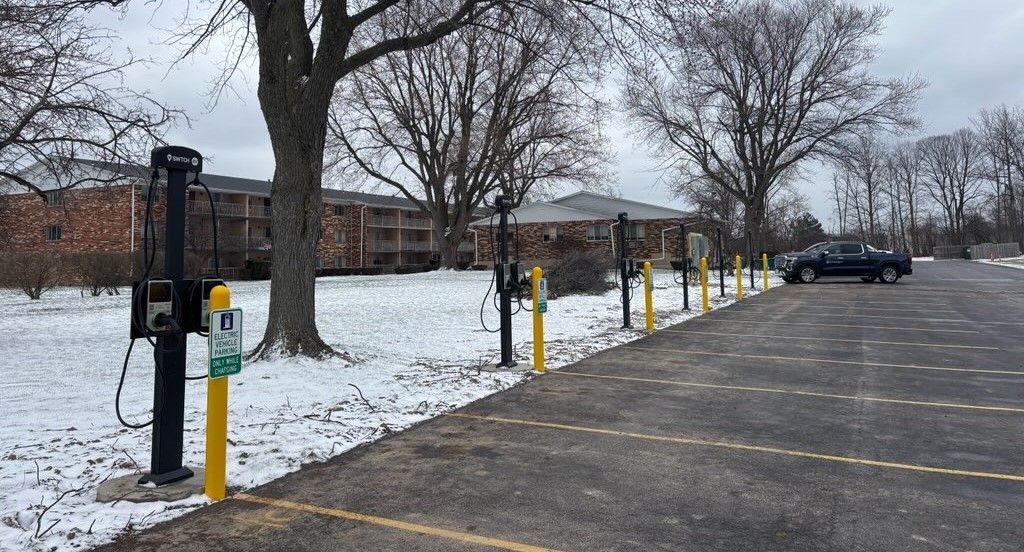
Why EV Battery Longevity Makes a Strong Case for Commercial Charging Stations in NY and VT
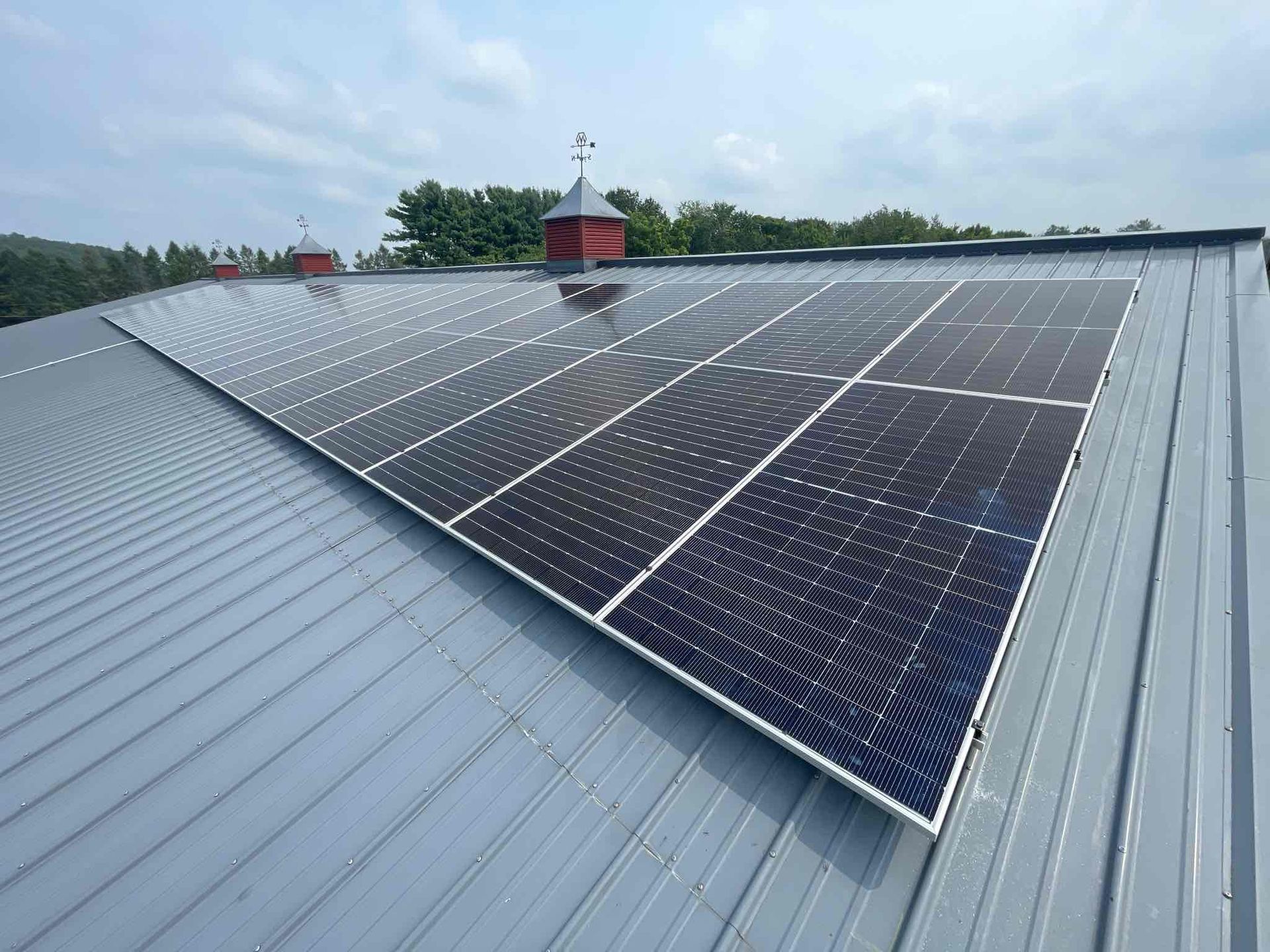
Energy Costs Keep Rising, and Predictability Matters