
Insurance, Warranties, & Financing For Your Roof
Insurance, warranties, & financing for your roof can be overwhelming when you are deciding if you need a new one. Don’t worry, when it comes to getting a new roof we can help you every step of the way. We are able to help you work with your insurance company, offer top of the line warranties, and have financing options available. Apex Roofing is here to help you with all aspects of the roofing process.
Insurance
Sometimes you need a new roof because Mother Nature wasn’t kind to it. This means your insurance company is involved with getting your roof replaced which can be a hassle. We are here to help you process your claim and work with your claims adjuster to get your roof replaced. This includes discussing the material and cost requirements outlined by your insurance company. We want to make sure you get a new roof that you love that is also in line with what your insurance company will cover.
Warranties
A new roof is an investment and you want it to last for many years. Which is why we offer top of the line warranties. Through Owens Corning, you are able to get a 50 year warranty that covers your asphalt shingle roof from manufacturing and material defects. We also have an excellent workmanship warranty. We stand behind the quality work that we do and know that it will last for years to come.
Financing
When the time comes for you to get a new roof it can be daunting. Not only do you have to decide who to work with, the material, and color but the price of it can be overwhelming. This is why we offer a low-interest financing option to make this purchase more affordable. We want you to be able to get a new roof when you need it and not wait until it gets worse. We don’t want your roofing problems to get worse and end up costing you more.
When purchasing a new roof, we are here to walk you through every step. This includes working with your insurance company, going over available warranties, and offering low-interest financing. We want to make sure that you get the best roof for your home and that are covered for years to come. If you are need of a new roof you can reach out to us here
and we would be happy to help!
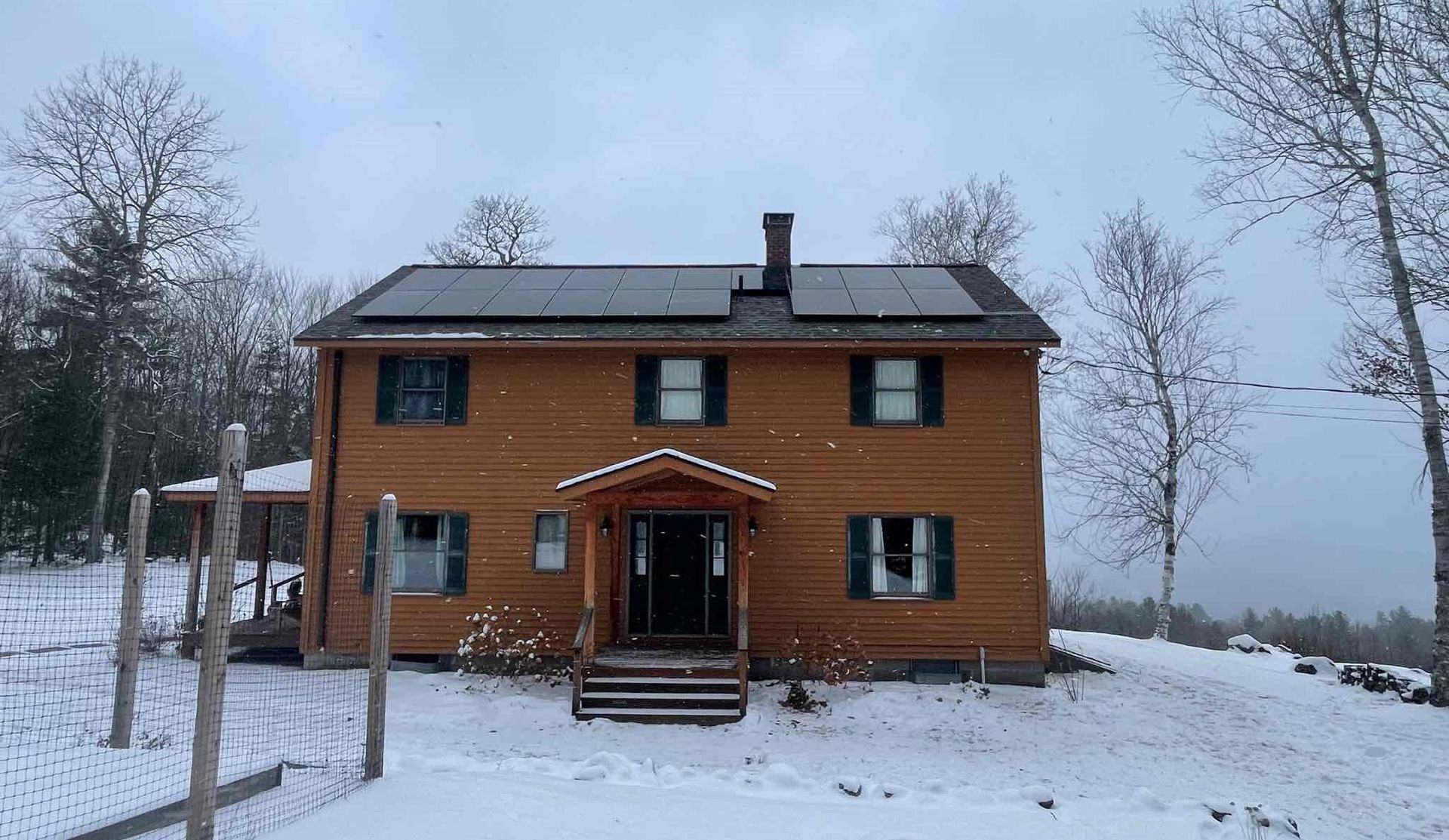
What the 2026 Utility Rate Changes Mean for Homeowners As we move into 2026, homeowners are facing a major shift in how much it costs to power their homes. Utilities across the country are preparing for another round of significant rate increases — driven by aging infrastructure, higher demand, and rising energy costs. At the same time, the federal solar tax credit is set to step down, reducing the incentive homeowners have relied on for years. While this combination may sound discouraging at first, it actually underscores a larger truth: with utility rates climbing faster than ever, going solar still makes long-term financial sense. Rising Utility Rates in 2026 Many utility providers have already announced increases for 2026, and the trend is consistent nationwide. In fact, the New York Public Service Commission (NYPSC) has approved an increase of 30% increase for New York utilities to occur over the next 3 years. Electricity costs are going up, fixed monthly charges are increasing, and more utilities are shifting to time-of-use pricing models that penalize homeowners during late-afternoon and evening peaks. In some regions, residential demand charges — once reserved for commercial customers — are becoming more common. For the average homeowner, this translates to noticeably higher bills even if their usage stays the same. Some areas could see annual increases of 10–25% as these new structures take hold. The Solar Tax Credit Is Decreasing — But the Savings Aren’t 2026 is also the year the federal solar Investment Tax Credit steps down from the full 30% for many homeowners. This means installing solar will carry a slightly higher upfront out-of-pocket cost than in recent years. However, the long-term economics still strongly favor solar. While the tax credit reduces, electricity prices continue to rise every year — and those increases compound over time. The value of producing your own electricity becomes greater with each rate hike, often offsetting the reduced tax incentive within just a few years. In other words, the short-term increase in system cost is still outweighed by decades of escalating utility prices. Why Solar Still Makes Financial Sense Solar’s value has always come from its ability to provide clean, predictable, stable energy for decades — and that hasn’t changed. What has changed is how quickly grid-supplied electricity is becoming more expensive. By installing solar, homeowners reduce or eliminate their reliance on a system where prices are uncontrollable and consistently rising. Pairing solar with battery storage makes the financial case even stronger, allowing homeowners to bypass expensive peak rates and keep their homes powered when the grid is stressed or offline. Even with the incentive stepping down, the lifetime savings from solar in 2026 remain extremely strong. What Homeowners Should Take Away The combination of rising utility rates and a reduced tax credit might seem like a reason to wait, but it’s actually the opposite. The longer homeowners remain 100% dependent on the grid, the more expensive their energy costs become. Solar continues to offer protection from rate volatility, greater control over monthly expenses, and long-term savings that significantly outweigh the loss of part of the tax credit. 2026 is a reminder that the cost of utility power is only moving in one direction — and investing in your own energy system is one of the smartest ways to stay ahead. If you’d like a personalized look at what these changes mean for your home, our team can walk you through the numbers and build a plan tailored to your energy needs.
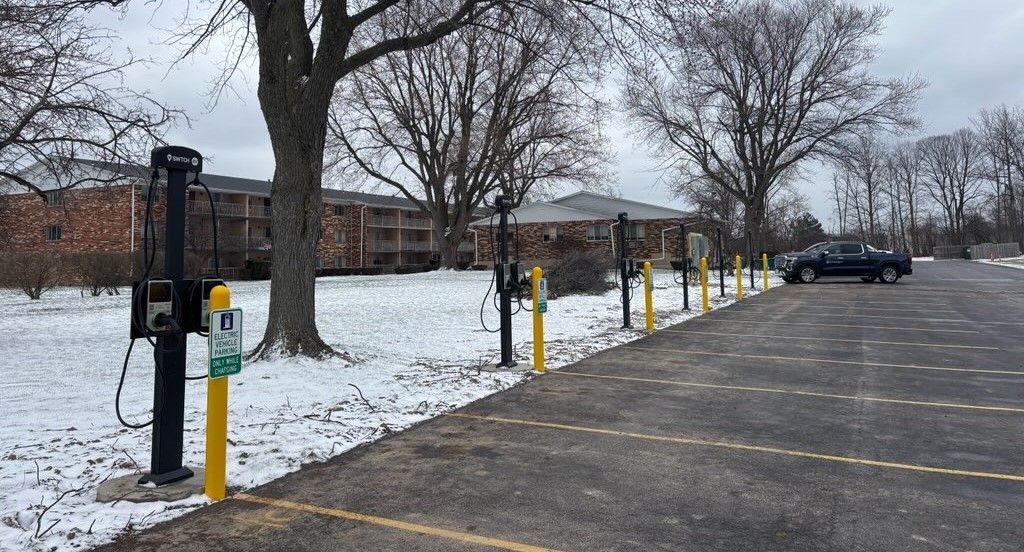
Why EV Battery Longevity Makes a Strong Case for Commercial Charging Stations in NY and VT
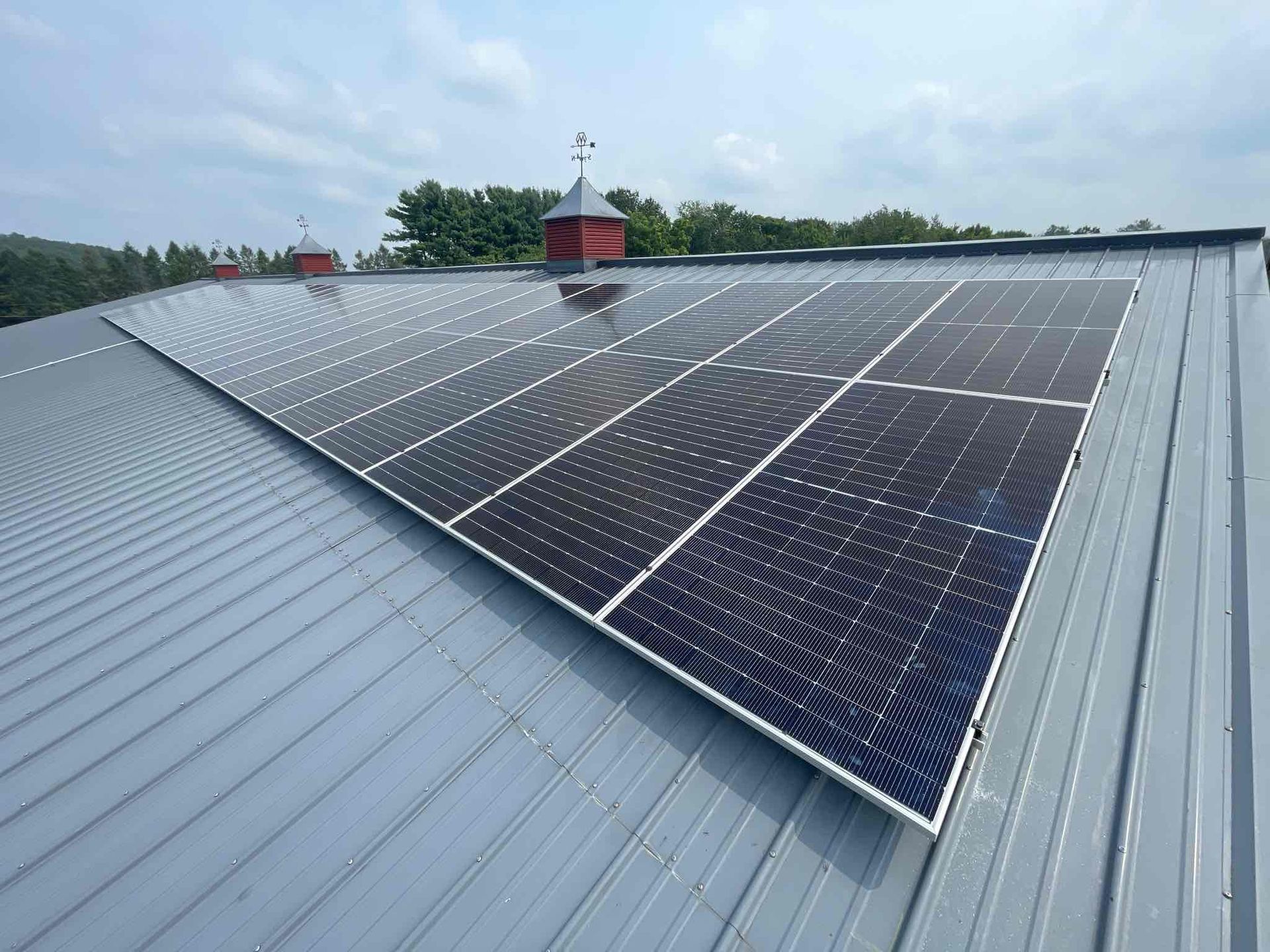
Energy Costs Keep Rising, and Predictability Matters