How to Invest in Solar
Different Paths, Same Benefits
When it comes to paying for a solar system, there are several options to suit different budgets and financial goals. Understanding your payment options and the incentives available to you can make a huge difference in your financial outcome. With the right approach, a solar system will be a smart and affordable long-term energy solution for you. We have put together a guide with answers to our most frequently asked questions as well as everything you need to know about investing in solar.
Financing:
- Depending on your state, there are various financing options available, including many low-interest choices. Solar loans, offered by banks or lenders, allow homeowners to borrow the funds for the system and pay it back over time. You can start saving on energy bills immediately, while spreading out the cost of the system. Our team will review these options with you once your system’s details are finalized.
Cash:
- Paying for solar in cash is a straightforward option that allows homeowners to avoid any interest, fees, or monthly payments. This option allows homeowners to fully own the solar panels from day one, which can result in a greater return on investment.
Incentives:
- Federal Tax Credits: This is a tax credit offered by the U.S. government to encourage the adoption of solar energy, which allows homeowners and businesses who install solar systems to deduct 30% of the total cost of their solar system from their federal taxes. This includes the cost of the solar panels, inverter, installation, and other associated expenses. These are dollar for dollar rebates that reduce the amount of federal taxes that you owe at the end of the year.
- State Tax Credits: Many states offer their own solar tax credits to further reduce the cost of installing a solar system. These state-level credits vary widely in terms of eligibility, amount, and availability, although by combining state and federal incentives, homeowners can maximize their savings and make solar energy more affordable. These are dollar-for-dollar rebates against state income taxes that are paid throughout the year or owed at the end of the year.
- State Incentives: Some states offer incentives to customers installing solar systems. For example, the New York State Energy Research and Development Authority (NYSERDA) offers rebates for systems installed by authorized solar companies such as Apex. In this case, the amount of the rebate is determined by the size of the system. As with most state incentives, it's important to stay informed about deadlines and eligibility requirements to maximize these financial benefits.
How Does Net Metering Work?
Net metering is a billing mechanism that is offered by some states which allows solar energy system owners to send the excess electricity they produce back to the grid and receive credits on their utility bills.
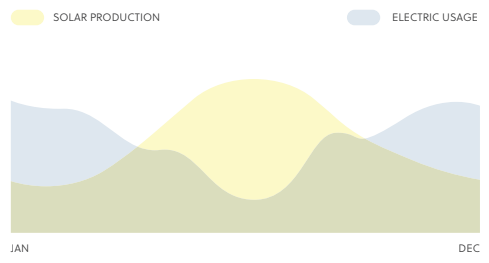
- Solar Production: During the day, your solar panels generate electricity. On sunny days, they might produce more energy than your household or business uses at that moment.
- Sending Excess Energy to the Grid: Any surplus electricity that your system generates is sent back to the utility grid. The utility tracks how much excess energy your system delivers.
- Earning Credits: For the electricity you send to the grid, you earn credits on your account. These credits can offset the electricity you consume from the grid when your solar panels aren't generating enough power, such as at night or cloudy days
- Reconciliation: Depending on your utility provider, at the end of the billing cycle (monthly or annually), any remaining credits might be rolled over, paid out, or forfeited, based on the policy of your state or utility company.
Solar as an Investment:
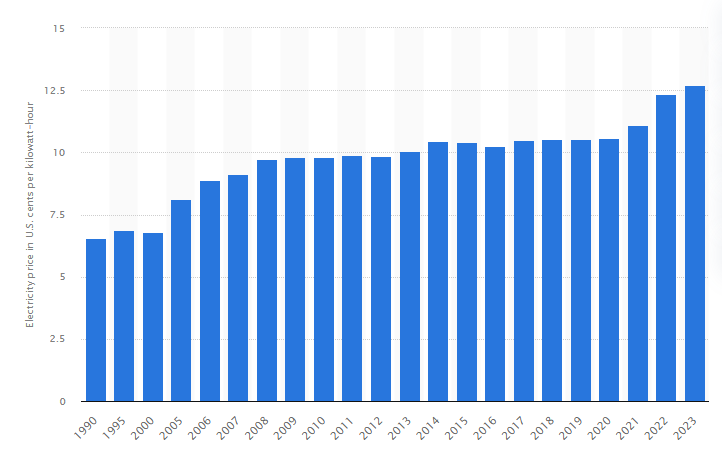
Once installed, your solar system can provide substantial savings on energy bills for 30-40 years or more. Solar energy allows homeowners and businesses to lock in lower, predictable energy costs. While traditional energy sources are subject to changing utility rates, your system will allow you to avoid these fluctuations. Over time, the savings generated from reduced electricity bills can far outweigh the initial cost of installation.
Your System Will Eventually:
- Produce free electricity
- Increase property value
We like to compare your solar system to an apple tree. Once the apple tree is planted, very little to no maintenance is required to upkeep it, yet it continues to produce apples year after year. Similarly, once your solar system is installed, there’s minimal maintenance needed, and it will continue to generate energy and savings for decades. Just like you enjoy the benefits of the apples without needing to buy them, you’ll enjoy the ongoing reduction in your energy bills without worrying about rising utility rates.
While this may be a cheesy sales pitch, it’s the truth. The only way a solar system could be a poor investment is if energy costs were going down, which they’re not. Just like you wouldn’t hesitate to plant a tree that keeps giving you fruit year after year, a solar system is a smart, sustainable investment for the long haul.
Do you have more questions about paying for your solar project? Are you interested in seeing how much you could save by going solar? Reach out to us today and we will be happy to answer your questions and further discuss your options!